
Targeted
Officials warn fraud cases rise during the holidays
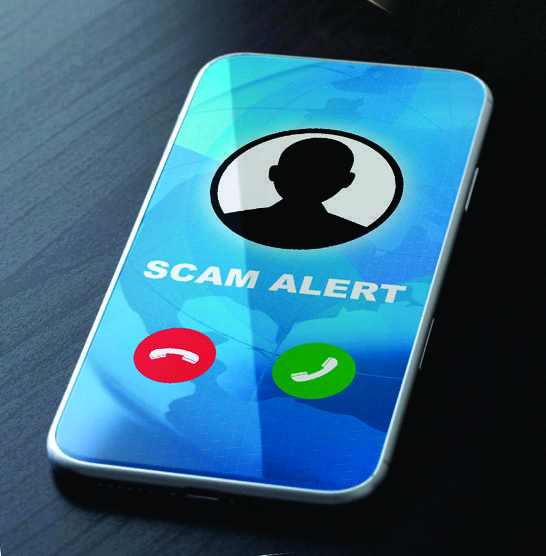
Officials urge residents to beware of holiday scams targeting their money and personal information.
Anderson County Sheriff’s Office Public Information Officer and County Commissioner Shain Vowell said the holidays is a particularly active time for scams.
Jason Lawrence, vice president and branch manager of Southern Bank of Tennessee, agreed and identified several types of scams that increase in the period.
“During the holiday season, we typically see an increase in text-message scams, package-delivery scams, online shopping fraud, gift-card scams, and fraudsters impersonating financial institutions or government agencies,” Lawrence said.
“Scammers know people are busy, shopping more frequently, and often expecting deliveries, which creates opportunities to catch someone off guard.”
Vowell said common recent scams have involved people pretending to represent the ACSO or stealing victims’ identities to apply for loans or make purchases with their debit cards. He said losses can range from a few hundred dollars to several thousand dollars.
“Whenever someone calls and asks for money or personal information, be suspicious,” he said.
Vowell recommended looking up the phone number of the institution the caller claims to represent and contacting it directly to verify the caller’s claims, such as whether a debt is owed.
If people believe they have been scammed, Vowell said they should report the incident to their local law enforcement agency.
“Scammers are becoming increasingly bold and creative in their attempts to take advantage of people,”Sheriff Russell Barker said in a news release. “They will use fear, urgency, and deception to convince you to send money or provide personal information.
“I want our citizens to understand that they should never send money to someone simply because they claim to represent law enforcement. If you receive a suspicious call, hang up and contact the Sheriff’s Office directly using a verified phone number.”
Lawrence said urgency is another warning sign.
“Scammers often create a sense of panic by claiming there’s a problem with an account, a suspicious transaction, or a package that can’t be delivered unless immediate action is taken,” he said.
Lawrence said customers also should be cautious of unexpected links, requests for personal or banking information, poor grammar, unusual sender addresses or messages that seem too good to be true.
“Our advice is simple: slow down, verify the source, and never feel pressured to act immediately,” he said.
Recent incidents
A Nov. 5 ACSO news release detailed three recent suspected scams.
In one incident, a resident reported that family members received multiple phone calls from someone falsely claiming to represent the ACSO Jail Division.
The caller allegedly demanded $1,000 to resolve a family member’s DUI troubles, claiming the individual would only have to wear an ankle monitor for three days.
The callers used restricted phone numbers and did not identify themselves. The ACSO said no one sent any money.
In another incident, a Strawberry Plains resident reported receiving a call from a man claiming to be from the ACSO “warrants department.”
Without giving his name, the caller asked for money to resolve a warrant supposedly on file for the resident. When the resident asked for a callback number because the caller had blocked his number, the caller hung up.
In a third reported incident, a resident learned that an unknown individual had attempted to use his personal identification, including a driver’s license and Social Security card, to obtain a $65,000 bank loan. Although the attempt was unsuccessful, the resident later received another suspicious call claiming he had been approved for a $70,000 loan.
“These incidents serve as reminders that scammers often impersonate law enforcement officers, banking representatives, and other legitimate organizations to gain access to personal information or steal money,” the ACSO stated.
ACSO tips
The ACSO offered the following advice to help residents avoid scams:
• Never pay to resolve a warrant or criminal charge over the phone. Be suspicious of anyone demanding immediate payment to keep a family member out of jail.
• Be cautious of callers claiming to represent law enforcement. Scammers can manipulate caller ID information and use restricted or unfamiliar numbers.
• Never provide personal information, such as Social Security numbers, banking information or dates of birth, to an unverified caller.
• Monitor credit and financial accounts for unauthorized activity or attempts to open accounts in your name.
• If you receive a banking-related call, contact your bank directly using the phone number on your bank statement, debit card or the bank’s official website.
• Verify information before making payments.
“If something does not sound right, take time to investigate before sending money or making a decision,” the ACSO stated.
Advice for seniors
“We have some [stories] that are simply heartbreaking,” Robyn Poppick, director of the Anderson County Office on Aging and Senior Center, said of scams targeting seniors.
One romance-related scam resulted in a senior losing nearly $100,000.
Another involved a fraudulent check that required a senior to advance some of the money, costing him more than $5,000.
Poppick offered several tips for seniors:
• Avoid shopping on Temu, a website on which Poppick said many seniors have lost money.
• Do not accept deliveries of items you have not ordered.
• Make sure websites are legitimate before shopping online.
Use a separate card with a small spending limit of about $100 for online purchases to limit potential losses if the card is compromised.
Seniors who want to learn more can attend a free holiday shopping and scam prevention event presented by Connected Nation at 12:30 p.m. Dec. 15 at the Anderson County Senior Center, 96 Mariner Point.
Banking scams
and advice
Scammers also impersonate banks, and Lawrence said consumers should be especially aware of caller ID spoofing, in which scammers make calls appear to come from legitimate bank phone numbers.
“Criminals are becoming increasingly sophisticated, often using technology to make messages, emails, websites, and even phone numbers appear legitimate,” he said.
Scammers may claim there is a suspicious wire transfer or large debit transaction and use that concern to persuade customers to provide or reset their online banking credentials.
“A bank will never contact you unexpectedly and ask for your online banking password, one-time authentication codes, debit card PIN or other secure access credentials,” Lawrence said.
“If you receive a suspicious call, text or email, don’t rely on caller ID or information provided in the message. Hang up and contact your bank directly using a trusted phone number.”
Lawrence said people often react emotionally or too quickly. Scammers rely on fear, excitement, urgency and trust to persuade people to act without verifying the situation.
“If we could offer one piece of advice, it would be this: Never provide sensitive financial information or security codes to someone who contacts you unexpectedly,” he said. “If there’s any doubt, end the conversation and contact your bank directly through a trusted source.”
Other common mistakes Lawrence identified include clicking links in suspicious messages, providing authentication codes over the phone, sending money to resolve a supposed emergency or assuming callers are legitimate because they appear knowledgeable or seem to be calling from a bank’s phone number.
He listed several “simple but effective” ways to protect bank accounts, debit cards and personal information:
• Enable account and transaction alerts through online or mobile banking.
• Use strong, unique passwords and multifactor authentication whenever available.
Regularly monitor account activity and review monthly statements.
• Keep contact information updated with your bank so fraud alerts can reach you quickly.
• Avoid conducting financial transactions on unsecured public Wi-Fi networks.
• Be cautious when sharing personal information online or through social media.
Customers should contact their banks as soon as they suspect fraud or notice unauthorized activity, Lawrence said. They also should change affected passwords, review recent account activity and report compromised debit or credit cards immediately.
“Time is critical,” he said. “Customers should remember that protecting their finances is a partnership between the bank and the customer. By staying informed, monitoring accounts regularly, and reporting suspicious activity promptly, consumers can significantly reduce their risk.”
Once notified, a bank can take several actions depending on the situation, including blocking cards, restricting account access, issuing replacement cards, updating security credentials, investigating unauthorized transactions and assisting customers through the dispute process.